
Water heater second opinion vs installer recommendation
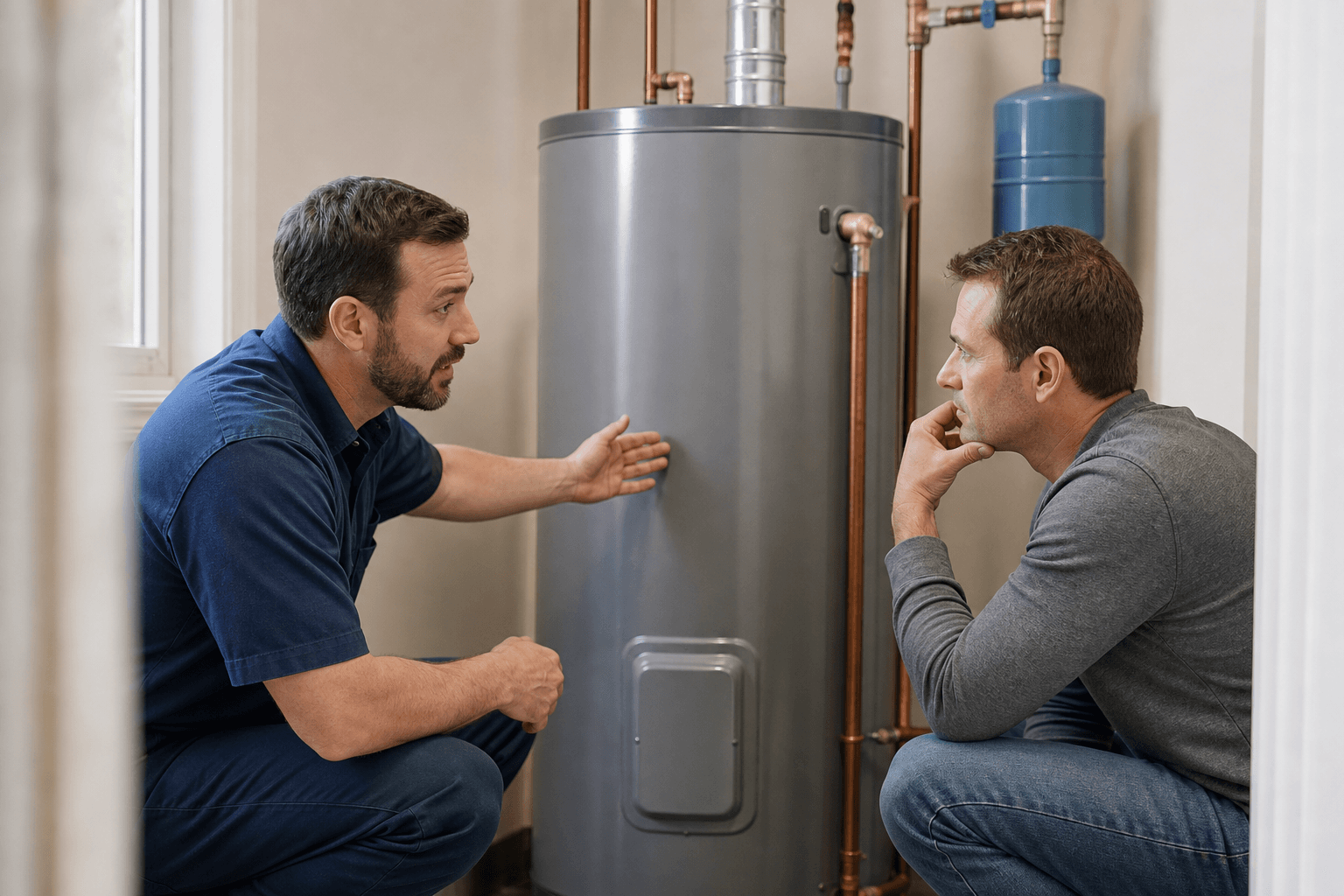
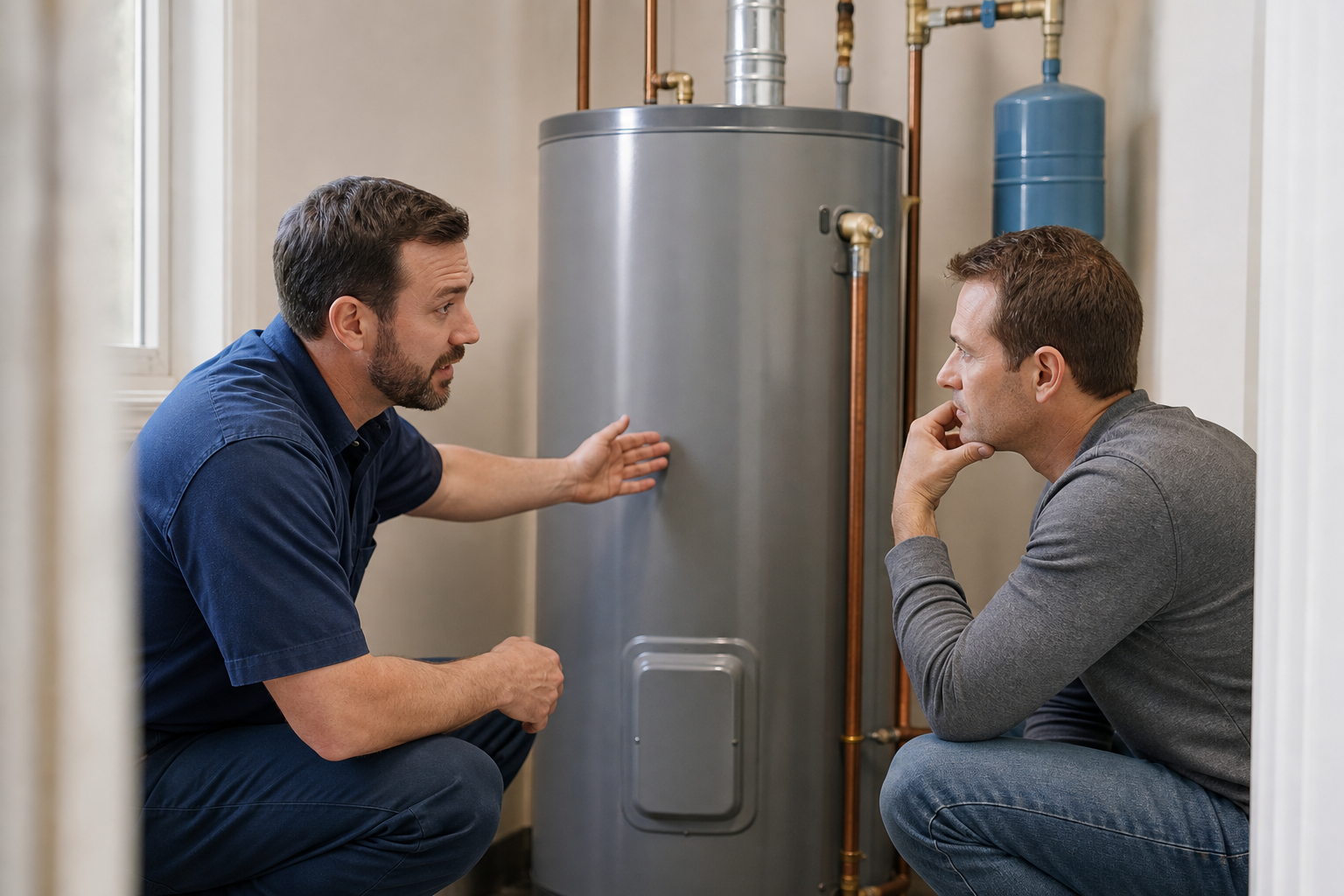
If a contractor has told you to replace your water heater, getting a water heater second opinion can prevent rushed decisions and unnecessary expense. This article compares what an independent evaluation should cover versus a typical installer recommendation, and gives a practical checklist you can use to compare quotes, size a replacement correctly, and decide whether to repair, replace with the same type, or upgrade.
What a trustworthy water heater second opinion should include
An independent evaluation should do more than confirm whether the unit is working. Expect a clear, written summary that covers each item below. SO HVAC separates assessment from any sales pitch; you can book a free, no-pressure second opinion through the SO HVAC website.
- Visual and functional inspection, including tank integrity, leaks, venting, combustion safety for gas units, and electrical connections.
- Clear diagnosis of the fault: failed element, thermostat issue, sediment buildup, pilot or ignition problems, or control electronics.
- Repair versus replacement analysis, listing immediate fixes, estimated repair cost, and expected remaining life compared with replacement cost.
- Confirmed sizing and capacity recommendations based on your household hot water demand rather than a generic rule of thumb. The Natural Resources Canada water heater guide explains sizing and demand estimation.
- Energy implications, including efficiency ratings and projected operating cost differences between tank, tankless, and heat pump options.
- Safety and code notes, any immediate hazards, required permits, and whether the proposed work needs electrical or plumbing upgrades.
- Itemized written report, with photos where helpful, that you can use to compare with the original installer quote.
Natural Resources Canada provides practical decision tools and energy information a professional should reference when advising replacement or upgrades (see the water heater guide linked below).
What to bring and what to expect during the visit
Preparing a short packet before the appointment speeds assessment and improves accuracy. Bring the items below when you book a second opinion.
- Any installer quotes or scope documents you received, including line-item pricing and warranty statements.
- Photos of the existing unit and its label, plus the serial number and the physical location where a replacement would go.
- Notes on household hot water use, for example number of bathrooms, typical simultaneous showers, and high-demand appliances.
- Service history if available, such as the last maintenance, repairs, or recurring issues.
During the visit the evaluator will inspect the unit, take measurements and photos, check venting and clearances, and, when safe, test components. Most home visits take 30 to 60 minutes depending on complexity. You should receive an itemized written summary within a reasonable timeframe so you can compare options side by side.
How to evaluate an installer quote: line-by-line checklist
Contractor proposals can appear similar but hide important differences. Use this checklist to compare two or more quotes fairly.
- Unit model and capacity, not just a brand name. Confirm the exact model number and whether it is certified on the Natural Resources Canada list when applicable, which affects long-term efficiency and rebate eligibility.
- Efficiency rating, such as uniform energy factor (UEF) or equivalent, plus any estimated annual energy use or operating-cost statements.
- Scope of labour, specifically what is included and excluded. Does the price cover removal and disposal of the old unit, minor plumbing, electrical hook up, and startup testing?
- Permits and inspections, whether the contractor will obtain required permits and handle municipal inspections.
- Electrical or plumbing upgrades, listed as separate line items if needed, for example new venting, increased breaker capacity, or gas-line work.
- Warranty coverage, including parts and labour terms, warranty length, and any service-authorisation provisions.
- Contingencies and exclusions, such as unforeseen corrosion, asbestos, or structural access issues that could change the price.
- Rebates and incentives, whether the quote accounts for available incentives for efficient models.
- Payment terms and scheduling, deposit requirements, final payment timing, and the estimated project timeline.
Consumer Reports notes the importance of comparing capacity and running costs, not only purchase price; ask contractors to show the model documentation that supports efficiency claims.
Compare tank, tankless and heat pump water heaters for Ontario homes
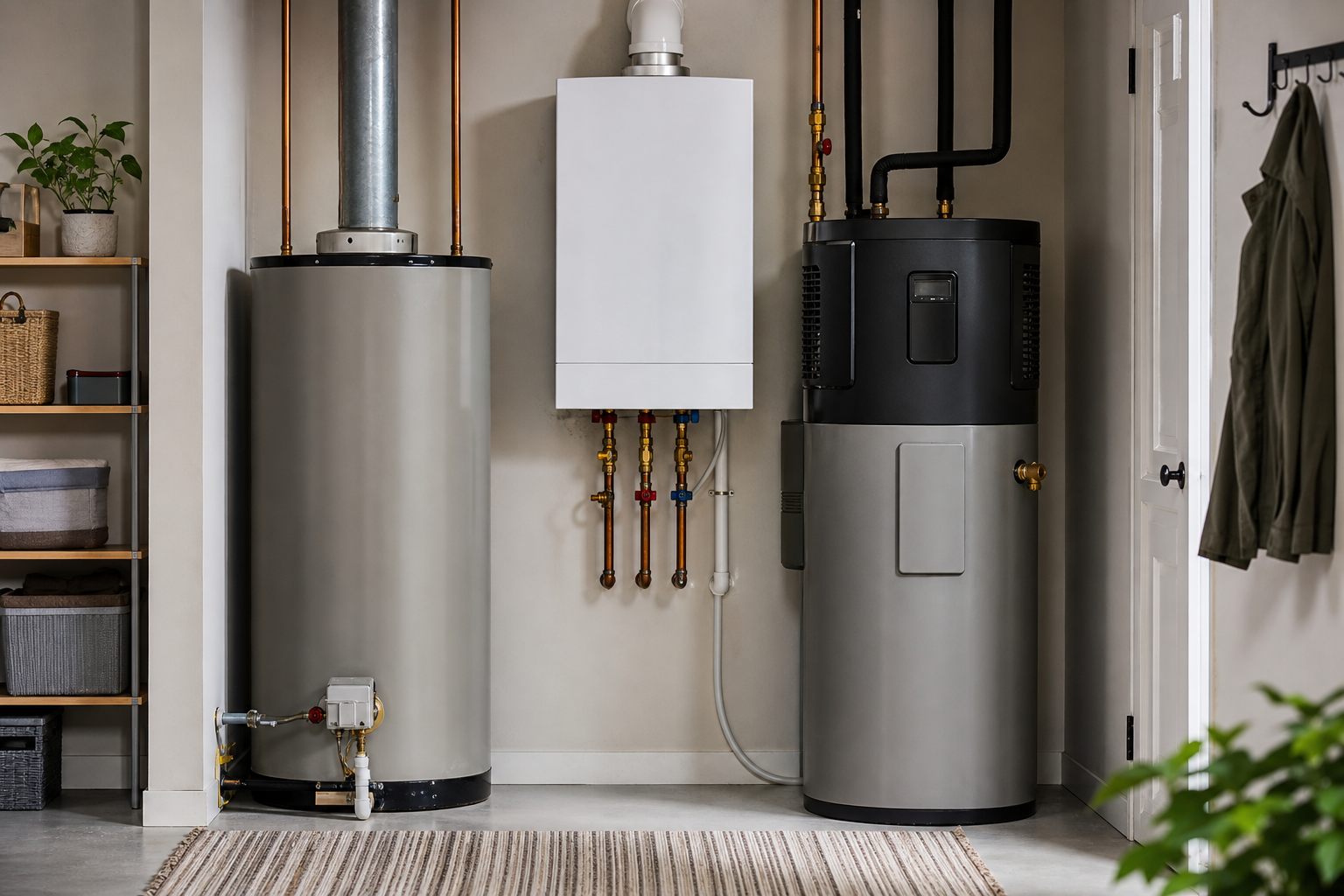
Weigh these decision points for each technology. The right choice depends on household size, space, existing infrastructure, and long-term energy goals.
Conventional tank water heaters
- Upfront cost: generally lowest among the three options.
- Operating cost: depends on fuel type and efficiency; typically higher than a heat pump unit.
- Capacity: rated in tank gallons; recovery rate determines how quickly the tank reheats.
- Installation: simpler and widely supported, with common parts and strong contractor familiarity.
- Life expectancy: often shorter than alternatives depending on maintenance and water quality.
Tankless (on-demand) water heaters
- Upfront cost: higher, but lower standby losses can reduce operating cost for intermittent demand.
- Capacity: measured by flow rate (GPM); incorrect sizing causes temperature drop when multiple fixtures run.
- Installation: may require electrical or gas-line upgrades and careful venting; scale control is important in hard water areas.
- Maintenance and repairs: longer lifespan possible but some replacement parts can be costly.
Heat pump water heaters (hybrid)
- Efficiency: highest for electric units, often delivering significant operating savings in the right installation.
- Space and placement: require room for airflow and produce cool exhaust air while operating.
- Climate sensitivity: performance varies with ambient conditions, so placement and backup heating arrangements matter for Ontario’s four seasons.
- Upfront cost: higher than conventional tanks; payback depends on electricity rates and usage patterns.
Capacity and sizing: what to verify for each type
Sizing mistakes are a common source of dissatisfaction. For tank units, verify tank gallons and first hour rating. For tankless units, confirm the GPM flow rate at the required temperature rise. For heat pump water heaters, confirm both storage size and expected recovery given the installation location. Accurate sizing should reflect your household routines to avoid performance issues.
Ontario climate and heat pump water heater suitability
Heat pump water heaters can be an excellent option in Ontario when installed in an appropriate location, such as a conditioned basement where the unit can draw warmer air. Outdoor units or installations that draw very cold winter air without adequate backup can experience reduced performance. The Natural Resources Canada water heater guide discusses placement and backup strategies for four-season climates.
Energy performance metrics and certifications to check
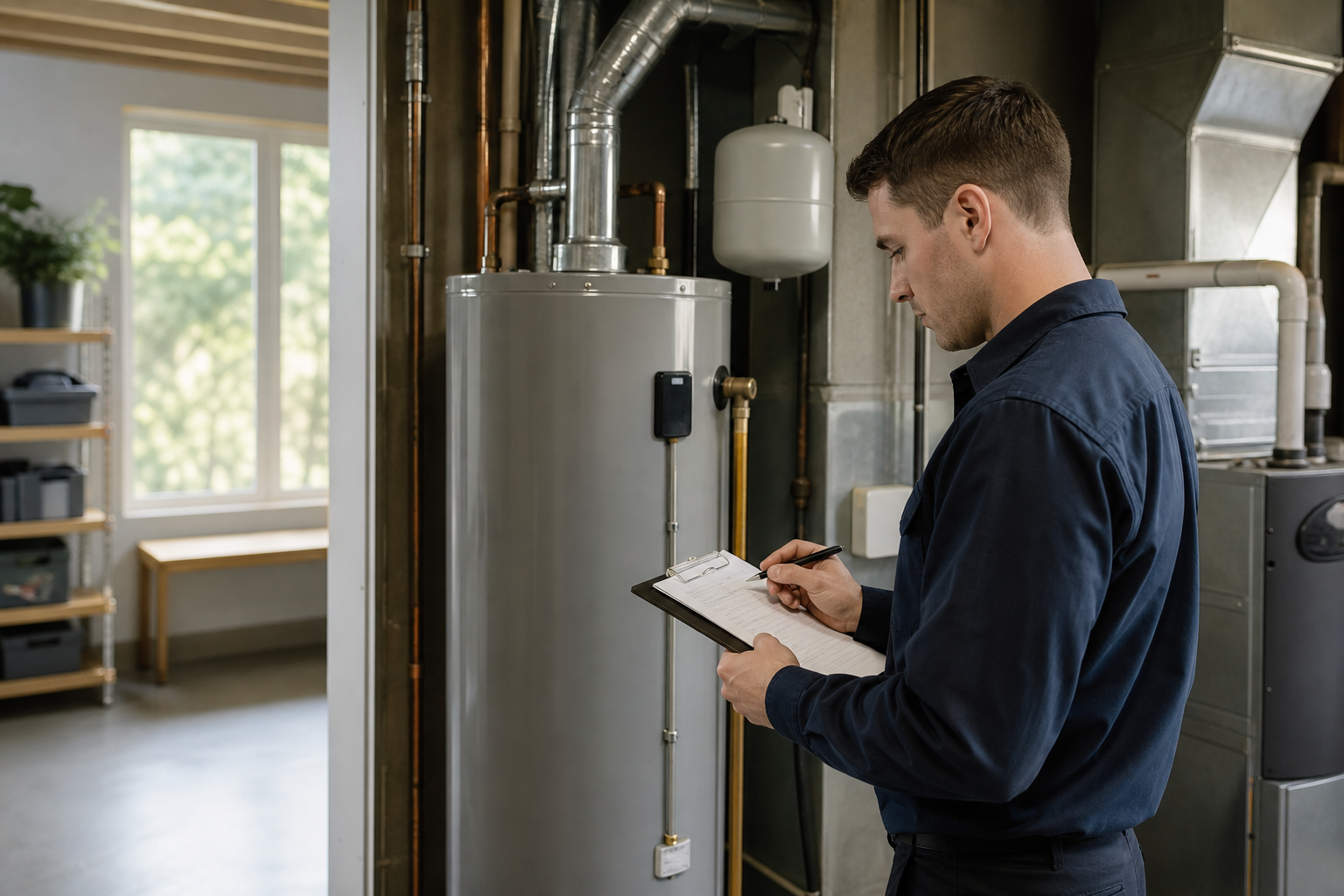
Ask the installer or evaluator to show efficiency ratings and certification. Concrete items to compare include Energy Star or Natural Resources Canada listings, uniform energy factor (UEF), estimated annual energy use, and manufacturer performance documentation. Use the Natural Resources Canada certified-products list to validate model claims.
Common sales claims, pressure tactics and red flags
Be wary of urgent on-the-spot pressure to sign, heavy door-to-door pitches, or discounts that demand an immediate decision. The Competition Bureau of Canada has warned consumers about deceptive door-to-door sales of water heaters and HVAC systems; if a salesperson refuses to provide a written quote, will not detail exclusions, or ties an unusually low price to vague warranty terms, take time to get a second opinion.
Decision criteria: repair now, replace with same type, or upgrade
Apply this practical matrix when you compare options.
- Repair now if the unit is under warranty, the fault is a simple replaceable component, repairs are substantially less than half the replacement cost, and the expected remaining life is reasonable.
- Replace with the same type if you need a quick like-for-like swap, household demand has not changed, and switching technologies would require substantial infrastructure upgrades.
- Upgrade if the unit is near its end of life, you want lower operating costs, the space and climate conditions suit the new technology, and lifecycle cost estimates support the investment.
Natural Resources Canada and Consumer Reports offer tools and guidance to estimate operating-cost differences, but a site-specific assessment is necessary to estimate payback accurately.
Next steps: how to get a reliable second opinion in Ontario
Collect your quotes, photos, and usage details and arrange a visit. A reputable evaluator will provide a written, itemized report you can use to compare installer proposals. SO HVAC provides a free, no-pressure second opinion on water heaters and other home comfort systems, with plain-language recommendations that help homeowners decide without sales pressure. Book or learn more on the SO HVAC website.
Frequently asked questions
Is a water heater second opinion really free Yes. Reputable services that advertise a free second opinion will not charge for the evaluation itself and do not require you to purchase. Confirm the terms before booking. What should I bring to a second opinion appointment Bring installer quotes, photos of the existing unit and its label, the serial number, and a brief note on household hot water patterns. This helps the evaluator size recommendations and compare quotes accurately. How do I tell whether my water heater needs repair or replacement now Consider the unit age, frequency and cost of repairs, evidence of corrosion or leaks, efficiency loss, and whether repair costs approach replacement cost. A written diagnosis from an independent evaluator makes this comparison straightforward. Are heat pump water heaters suitable for Ontario winters They can be, when installed in an appropriate location with backup heating considered. Placement and ambient conditions affect performance, so consult a professional who understands four-season climates and review Natural Resources Canada placement guidance. What specific line items on a quote should I verify to avoid hidden costs Verify unit model and efficiency ratings, exact labour scope, permit costs, required upgrades to plumbing or electrical, disposal fees, warranty details, and any contingencies. If something is unclear, ask the contractor to spell it out in writing.Ready for a clear, independent perspective? Book a no-pressure water heater second opinion with SO HVAC to compare recommendations and quotes with confidence.
References and helpful resources: Natural Resources Canada water heater guide and certified-products list, Consumer Reports buyer guidance, and the Competition Bureau advisory on door-to-door sales.
Selected links for more detail: