


Questions to ask before choosing an air conditioner second opinion
If you have been given a diagnosis or a replacement quote for your air conditioner, an air conditioner second opinion can protect you from rushed decisions and unnecessary expense. This article lists the exact questions to ask any second-opinion contractor, the evidence you should insist on, red flags to watch for, and a printable comparison matrix you can use when lining up two or more quotes.
What an air conditioner second opinion should do
A true second opinion is an evidence-first inspection that separates diagnosis from sales. It confirms or challenges the first contractor's findings using measurable diagnostics, clear photos, and an itemized written scope that separates required repairs from optional upgrades. Authoritative guidance says a reliable second opinion should include a real inspection and leave you with a clear written scope you can use to compare proposals directly (Enviro Heating & Air Conditioning).
Some second opinions are free, others charge a modest fee. Consumer guides show paid second opinions commonly range from about $80 to $200 in Canada, which is small compared with the cost of an unnecessary replacement; free options are also available from evaluation-first companies (HVACDatabase).
How to choose a genuinely independent second-opinion contractor
- Ask whether the reviewer sells equipment or receives commissions for installations. A truly independent second opinion separates evaluation from sales.
- Confirm basic credentials: proof of business insurance and a local trade licence if required in your municipality. These verify the contractor can work safely on your system.
- Ask about cost up front. A transparent contractor will say if the second opinion is free or if there is a small inspection fee and explain whether the fee applies to future work.
- Request references or online reviews for similar second-opinion work, but prioritise the inspection deliverables over testimonials.
Contractor checklists that focus only on price miss the point. Independence and evidence matter far more than a lower installation quote when the diagnosis itself may be in doubt (King Heating).
What to ask during the inspection: exact questions and why they matter
Bring these questions to the second-opinion visit and use them to cross-check the original contractor. Insist on answers you can verify with documentation or photographs.
- What diagnostic tests did you run, and can you show me the readings? Ask for refrigerant pressure, temperature split across the evaporator coil, and measured airflow or static pressure. Acceptable answers include numeric readings and photos of instrument screens.
- Do you recommend repair or replacement, and why? The technician should explain the condition of core components and whether failures are repairable without recurring problems.
- Can you itemize required repairs, recommended upgrades, and optional add-ons? You need three separate line items so you can compare apples to apples between quotes.
- What is the estimated life expectancy change if I repair versus replace? Expect a reasoned range rather than a firm guarantee.
- Do you have any conflicts of interest or financial ties to vendors? If the reviewer sells equipment, insist they disclose it in writing.
Ask for diagnostic evidence, not just opinion
Demand concrete diagnostics: pressure readings, measured temperature split between supply and return, and static pressure across the system are the right starting points. A technician should show you photos of damaged coils, burned control boards, or oil at a joint that indicates a refrigerant leak. Written or photographed diagnostics create evidence you can take to another contractor if needed. Consumer guidance emphasises diagnostics over confident verbal claims for this reason (Enviro Heating & Air Conditioning) and (King Heating).
Insist on a written, itemized scope with options
Your second opinion should leave you with a document that separates what must be done now from what can wait. A useful scope includes:
- Required repairs or safety items with part-level detail,
- Recommended upgrades that improve efficiency or reliability, and
- Optional add-ons with clear pricing and expected benefits.
That separation makes it possible to compare quotes fairly and to push back on unnecessary upgrades or bundled add-ons during price negotiations (Enviro Heating & Air Conditioning) and (Premier Heating).
Check age, maintenance history and refrigerant records
A unit's age, documented service history, and any refrigerant recharge or leak repairs influence whether repair is sensible. Frequent refrigerant loss, repeated compressor replacements, or lack of regular maintenance point toward replacement. If the original quote recommends replacement due to age, ask for the service records that show how the unit has been maintained; if no records exist, expect the second opinion to explain the uncertainty explicitly (King Heating) and (Snowflake Aircon).
Evidence and deliverables to insist on before you approve work
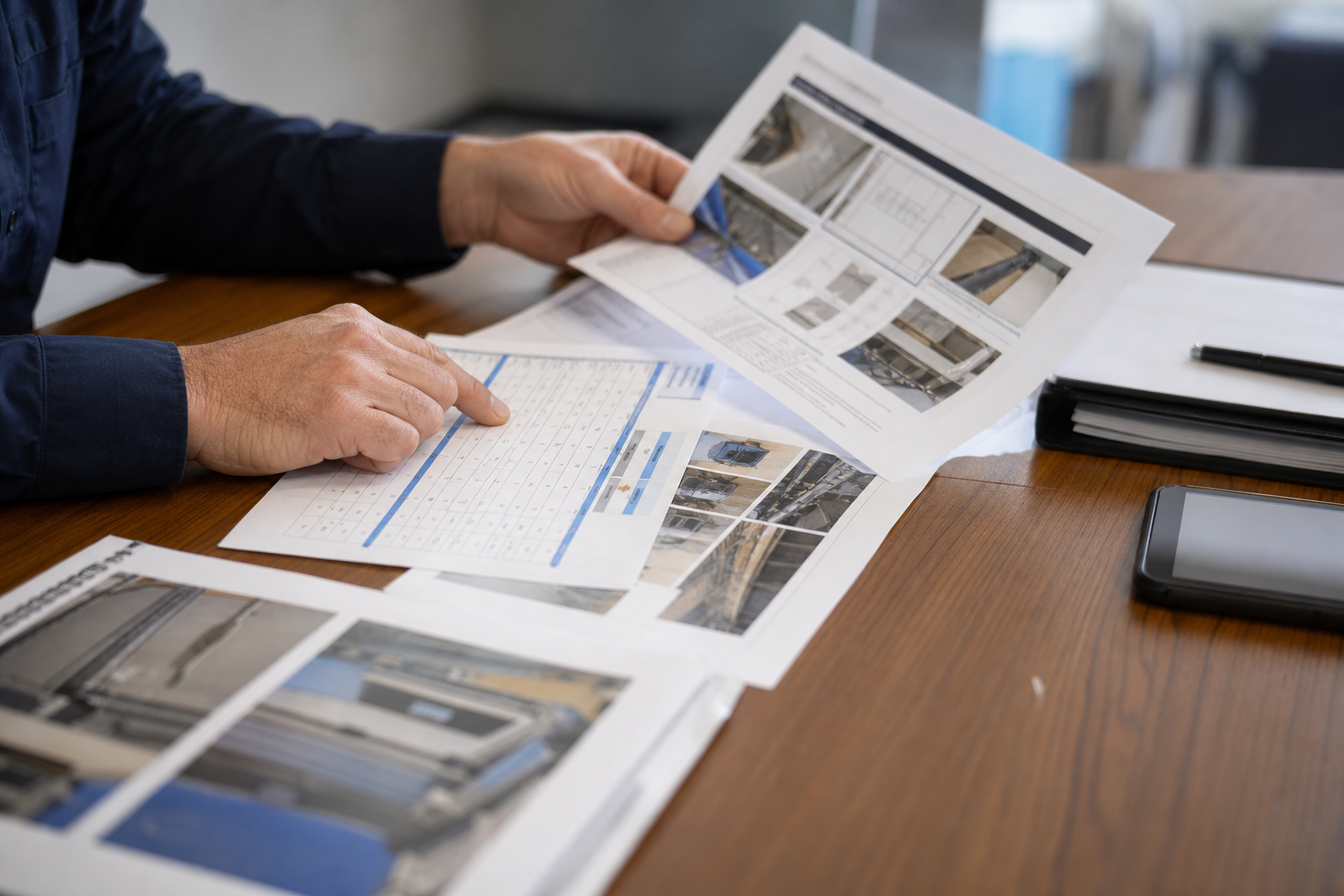
Keep these deliverables. If a contractor will not provide them, treat that as a warning sign.
- Itemized written quote that separates parts, labour, taxes, and any disposal fees.
- Diagnostic readings and photos saved as a PDF or appended to the quote.
- Part-level diagnosis, not just a general statement like "compressor failed" without evidence.
- Copy of the proposed equipment model numbers and efficiency ratings if replacement is recommended.
- Clear warranty details for parts and labour, and explicit exclusions.
- A note on load sizing: either a Manual J calculation or a written explanation why a full load calculation was not needed for the scope.
These items are the minimum you should have in hand before authorising major AC work. A documented diagnosis protects you if disputes arise and helps compare proposals fairly (Enviro Heating & Air Conditioning).
Common mistakes and red flags homeowners miss
Homeowners often accept verbal diagnoses, confuse salesperson confidence for technical proof, or agree to oversized replacements that cost more and cycle poorly. Watch for these specific mistakes:
- Accepting a verbal only diagnosis. If there are no readings or photos, the claim is weak.
- Failing to demand a written scope that separates necessary from optional work.
- Approving replacement without a load calculation or reasoned sizing explanation; oversized equipment reduces comfort and increases wear.
- Ignoring refrigerant leak causes. Recharging without locating the leak is a temporary fix.
- Assuming the lowest purchase price equals best value when warranty or included services differ.
Evidence-based comparison is more reliable than choosing by confidence alone. If two technicians agree on the problem but not the remedy, the documented diagnostics give you a basis to question cost or scope differences (Snowflake Aircon).
How to compare two quotes fairly: a short comparison matrix
Use these comparison fields when you line up quotes side by side:
- Scope: required repairs, recommended upgrades, optional add-ons.
- Diagnostics supplied: photos, pressure readings, temperature splits, airflow figures.
- Parts and labour warranty: length and what is included or excluded.
- Equipment details: make, model, capacity, and efficiency rating for replacements.
- Load sizing rationale: Manual J or clear explanation of sizing choice.
- Cost breakdown: parts, labour, permits, disposal, and taxes.
- Exclusions and conditions: anything the contractor will not cover or assumptions made.
Decision criteria: prefer the proposal that documents diagnostics, offers the right-sized equipment, includes clear warranties, and separates required work from optional upgrades. If two proposals are otherwise equal, choose the one that explains trade-offs most clearly in plain language.
Ontario considerations: four-season climate and heat pump context
In Ontario, AC decisions sometimes intersect with year-round heating choices. If you are evaluating a replacement that includes a heat pump, insist the second opinion discuss winter performance and the correct sizing for both cooling and heating seasons. An evaluation-first approach helps ensure any heat pump recommendation is sized and specified for your four-season climate rather than sold as a single-season product (SO HVAC).
Answers to common objections homeowners raise

Is a second opinion worth the cost? In most cases yes. A modest fee or a free evaluation is small compared with the cost of an unnecessary replacement or repeated repairs; searchable guides show paid second opinions commonly fall in a modest fee band while free second opinions are available from evaluation-first providers (HVACDatabase).
Won't the second contractor undercut the first? Not necessarily. The goal is evidence-based comparison, not a bidding war. If both technicians document the same problem but propose different costs, the diagnostics give you leverage to ask for clarity and negotiate.
How do I verify the second opinion is unbiased? Ask about conflicts of interest, whether the reviewer sells equipment, and request that any commercial interest be disclosed in writing. A transparent provider will welcome these questions (King Heating).
Printable onsite checklist and comparison template
Bring this checklist to inspections or copy it into a note app. Use one column per contractor when you compare quotes.
- Basic info: contractor name, contact, licence and insurance confirmation.
- Diagnostics captured: refrigerant pressures, temperature split, airflow or static pressure, photos taken (yes or no).
- Unit details: make, model, serial, age, service history noted.
- Problem summary: what the tech says is failing and why.
- Repair versus replace: recommended immediate action and alternatives.
- Itemized scope: required, recommended, optional line items with costs.
- Warranties and exclusions: parts, labour, duration, limitations.
- Load sizing: Manual J provided or reason for not producing one.
- Final notes and clarity rating: did you get plain-language answers? (yes or no)
What SO HVAC provides with a free second opinion
SO HVAC offers a free, no-obligation second opinion on heating, cooling, and water systems. Their evaluation-first approach focuses on inspecting equipment, explaining what is required versus optional in plain language, and providing a written scope and documented diagnostic evidence you can use to compare quotes without sales pressure (SO HVAC).
Final decision checklist and next steps
Before approving any major AC work, make sure you have an itemized written scope, diagnostic readings and photos, part-level diagnosis, clear warranty terms, and a sizing rationale. If you want an independent, evidence-based review with no sales pressure, consider booking a second opinion through a provider that documents findings and leaves you with a written comparison-ready scope (SO HVAC).
Frequently asked questions
Is an air conditioner second opinion really free with no obligation?
Some providers offer free second opinions while others charge a modest fee. SO HVAC states that booking a second opinion costs nothing and carries no obligation to buy (SO HVAC). If a contractor charges, ask whether the fee applies toward later work and request a refund if you choose not to proceed.
What diagnostic evidence should I insist on before approving a repair or replacement?
Insist on refrigerant pressure readings, temperature split measurements, airflow or static pressure figures where applicable, and clear photos of damaged components. These items transform an opinion into verifiable evidence you can use to compare quotes (Enviro Heating & Air Conditioning).
When is repair a better choice than replacement for an air conditioner?
Repair is often sensible when the failure is isolated, the unit is well maintained, and replacement would not significantly extend service life or save enough energy to justify cost. Repeated failures, major compressor problems, or documented poor efficiency often point toward replacement.
How do I verify the second opinion is independent and not trying to sell me a new unit?
Ask directly if the reviewer sells equipment or earns commissions, request disclosure in writing, and prefer companies that separate evaluation from sales. A transparent second-opinion provider will provide an evidence-based written scope and will not pressure you to buy.
What should be included in a written scope so I can compare quotes fairly?
The scope should separate required repairs, recommended upgrades, and optional add-ons; include part-level descriptions; list diagnostics and photos; provide equipment model numbers for replacements; and state warranties and exclusions. That structure makes side-by-side comparison possible and reduces upsell risk (Enviro Heating & Air Conditioning).
If you would like an independent, no-pressure review of your air conditioning diagnosis or quote, book a free second opinion with SO HVAC.