
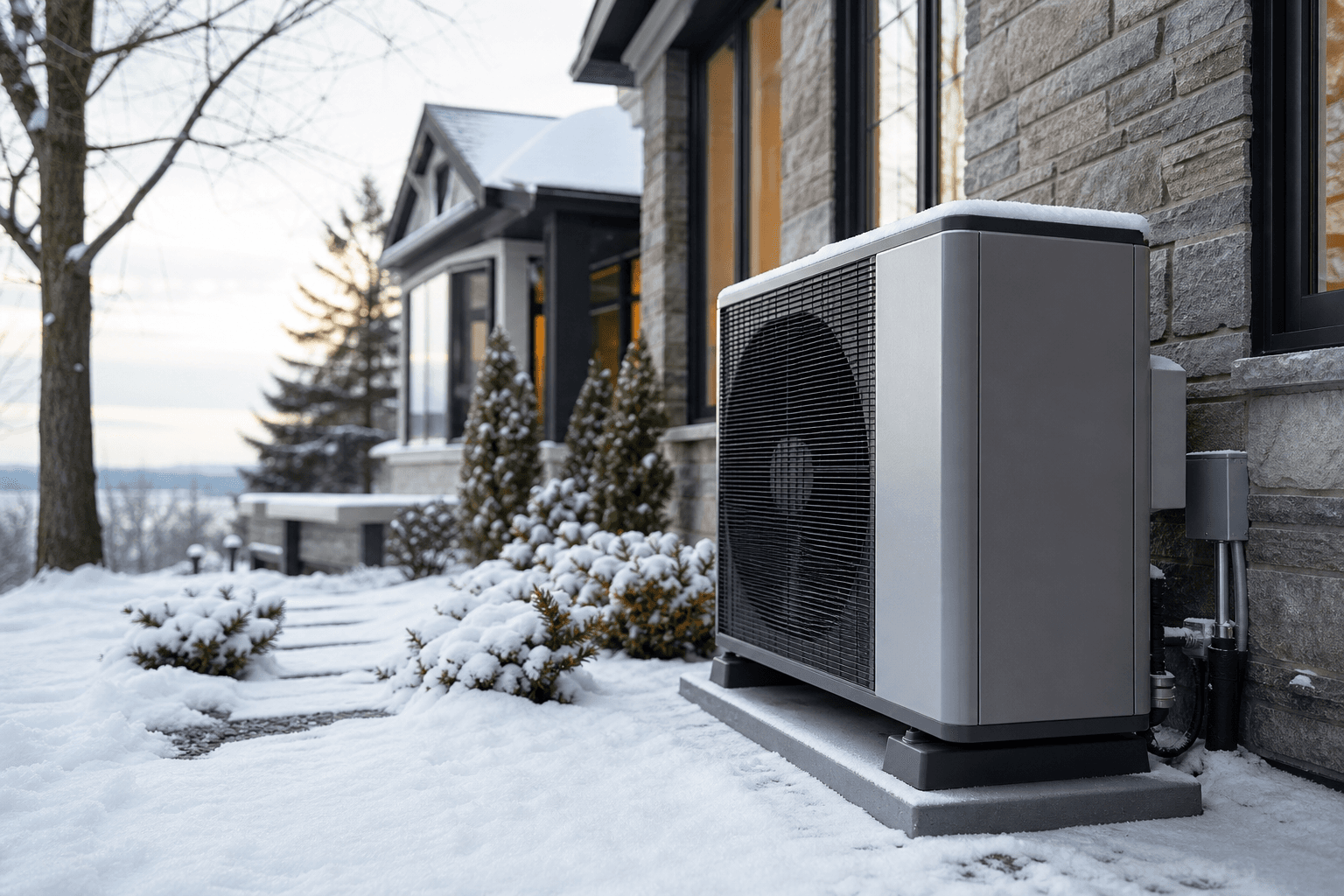

Oakville heat pump winter performance checklist
Heat pumps are a proven, reliable way to heat and cool Canadian homes year-round, but cold weather creates predictable behaviours and maintenance needs homeowners should plan for. Natural Resources Canada explains that proper operation and correct selection of an electric heat pump will save energy and help maintain comfort, while noting a few cold climate considerations that matter in Ontario winters. For an independent evaluation tailored to Oakville homes, SO HVAC offers a free, no-pressure second opinion to help you decide whether repair, optimisation, or replacement is the right step. See Natural Resources Canada for technical guidance or visit SO HVAC to learn how a second opinion works.
How heat pumps actually perform in an Oakville winter
NRCan evidence: reliable year-round heating
Natural Resources Canada describes heat pumps as a proven technology capable of providing both heating and cooling for Canadian homes when chosen and operated correctly. That means a heat pump sized and installed for your home, combined with routine maintenance, commonly meets year-round needs in Ontario. For technical background and homeowner guidance, see Heating and cooling with a heat pump and the Canada Greener Homes Initiative heat pump guidance from Natural Resources Canada.
Cold climate considerations homeowners should expect
In practical terms for Oakville homeowners, expect three consistent items in cold weather: a gradual reduction in heating capacity as outdoor temperatures fall, periodic defrost cycles on outdoor units that briefly reverse operation to keep coils clear of ice, and greater sensitivity to system sizing and controls than in milder climates. These are normal behaviours, not automatic failure. Correct refrigerant charge, clean coils, ample airflow, and properly configured backup heat or controls are the main factors that determine whether your system stays efficient and comfortable through a cold snap.
Priority pre-winter checklist you can complete in an hour
These tasks are ordered by impact and simplicity. Most can be done in 30 to 60 minutes with basic tools and a ladder for exterior checks. If any item shows a problem, follow the decision criterion to determine whether to call a technician.
- Clear outdoor unit and check airflow, action: remove loose snow, leaves, and debris and keep at least 60 centimetres of horizontal clearance where possible. Decision: call a technician if the unit is buried in ice or if fans do not start normally.
- Replace or clean indoor filters, action: change or clean filters and note the date because restricted airflow reduces heat pump efficiency quickly. Decision: call a pro if filters are frequently plugging in a short time, which suggests duct or indoor air quality issues.
- Check thermostat and schedule heat pump mode, action: verify the thermostat is on heat pump-compatible settings and set a conservative setback if you use one overnight. Decision: contact a technician if the thermostat does not show the heat pump as the active heat source or if programming behaves unexpectedly.
- Inspect outdoor unit for ice or bent fins, action: look for heavy rime or visible coil damage and straighten minor bent fins carefully with a fin comb. Decision: book service if you see refrigerant oil stains, damaged fins across a broad area, or persistent glazing after warm-up.
- Confirm backup heat controls, action: if you have a hybrid system with backup electric or fossil heat, check that automatic crossover is enabled and the backup heat triggers only when needed. Decision: call a technician if backup heat engages immediately at moderate outdoor temperatures.
Quick tests to spot underperformance before it gets worse

Short diagnostics help you decide whether the issue is a simple homeowner fix or a technician job. Run these tests while the system is operating in heat mode and observe for 10 to 20 minutes.
- Indoor comfort check, test: measure the warmest and coldest rooms during a steady run. If some rooms remain much colder, the issue is likely distribution, ductwork, or zoning rather than the outdoor unit. When to call: schedule service if multiple rooms stay uncomfortably cold despite correct thermostat settings.
- Outdoor unit noise and runtime, test: listen for unusually loud fans or a compressor that runs constantly without periodic off cycles. When to call: persistent grinding, loud rattles, or continuous high-load running indicates mechanical wear or refrigerant problems.
- Short cycling or frequent defrosts, test: track how often the unit enters defrost or cycles off and on. A few defrost cycles are normal, but many short cycles can point to sizing, low refrigerant, or control faults. When to call: frequent cycling or long defrost periods require a technician diagnosis.
- Electric use monitor check, test: compare typical energy use on a cold day with your recent bills or a plug-in monitor. Unexpected spikes without thermostat changes may indicate secondary heat or an inefficient operating mode. When to call: contact a pro if usage rises sharply without a corresponding comfort improvement.
Common cold-weather trade-offs and installer claims to evaluate
When you compare quotes or hear marketing claims, these are the trade-offs to examine carefully.
Capacity versus efficiency
Some sellers highlight seasonal efficiency while others focus on low-temperature capacity. A unit rated for high efficiency may deliver less capacity at extreme cold than a model selected primarily for capacity. The right choice depends on your home size, insulation, and how you use heat. Ask installers for expected capacity at representative outdoor temperatures and compare independent evaluations.
Backup heat realities
Backup heat is not always mandatory, but many Oakville homes use a hybrid strategy that blends a heat pump with a furnace or electric strip heat for the coldest hours. That arrangement can reduce fuel consumption overall, but it must be controlled correctly or energy use can increase.
Oversizing and short cycling
Oversized heat pumps can short cycle, reducing comfort and efficiency. Correct sizing, based on a proper load calculation, matters more in a four-season climate than a simple salesperson rule of thumb.
Manufacturer marketing versus field performance
Manufacturers may quote ideal lab efficiencies that differ from real-life performance in an Oakville home. Ask for expected field performance, installation references, and the installer’s plan for commissioning and winter testing.
What a professional inspection will check in Oakville winter conditions

A competent technician will follow a consistent checklist so you can compare recommendations.
- Refrigerant level and leak check, because low charge reduces capacity and increases running time.
- Defrost cycle and outdoor coil condition, to ensure defrosts remove ice efficiently without excessive runtime.
- Airflow and filter condition, to confirm indoor components are not restricting the system.
- Electrical, controls and thermostat calibration, to verify accurate call and crossover behaviour with backup heat.
- Ductwork and distribution checks, to identify heat loss or leakage that makes a properly functioning heat pump seem underpowered.
- Right-sizing and system history review, including previous maintenance, repairs, and any installer notes that affect decisions.
These checks determine whether the recommended outcome is an adjustment, repair, or replacement. Natural Resources Canada emphasises that correct installation and operation matter for winter performance, so a thorough inspection is the fastest route to clarity.
When to get a second opinion and what to bring
What to bring
- Installer quotes or replacement recommendations, if you have them.
- Recent maintenance records or service invoices.
- A short list of symptoms, when they started, and recent energy bills if available.
What SO HVAC evaluates on site
SO HVAC provides a free, independent second opinion focused on evaluation before any sales pitch. On site, the team checks the items above, explains what is required versus optional, and helps you compare trade-offs in plain language. For details about this no-pressure process, visit SO HVAC.
How an independent second opinion reduces risk
An honest independent review separates the diagnostic step from any equipment sale. That reduces the chance of an unnecessary replacement, an oversized unit, or a rushed decision based on fear. If you bring competing quotes, an independent evaluator can point out assumptions and hidden costs so you can choose with confidence.
Common objections homeowners raise and short answers
It will stop working below a certain temperature
Heat pumps gradually lose capacity as the outdoor temperature drops, but that is expected behaviour rather than an abrupt failure. Proper selection, installation, and backup strategies prevent loss of comfort in Oakville winters. For a technical overview, see the Natural Resources Canada guidance linked above.
My electric bills will explode in winter
When a heat pump is operating correctly, it can reduce total energy consumption compared with electric resistance heat, but local results depend on system efficiency, controls, and usage patterns. Monitor bills and system runtime to spot anomalies before they become costly.
My installer says replace now, should I trust that
If a recommended replacement is costly, bringing the quote and system history to an independent evaluator helps identify whether the replacement is necessary now or if a targeted repair or optimisation will extend life affordably.
A heat pump will replace my furnace entirely
Some homes transition fully to heat pump systems, while others keep a hybrid arrangement with a furnace or other backup for the coldest hours. The right choice depends on your home size, insulation, distribution system, and comfort preferences.
Frequently asked questions
Will a heat pump keep my Oakville home warm in deep winter?
Yes, many heat pumps provide reliable heat through Ontario winters when correctly sized and installed, and when paired with appropriate backup heat when needed. Natural Resources Canada supports heat pumps as a year-round solution, while stressing that correct operation and selection matter for cold climates.
What quick maintenance should I do before the first cold snap?
Clear the outdoor unit of debris and snow, change or clean indoor filters, confirm thermostat settings, and visually inspect the outdoor unit for heavy ice or damage. If you encounter persistent ice, loud noises, or repeated short cycling, book a technician visit.
How will I know whether to repair or replace my heat pump this winter?
Look at frequency of service calls, the system's age, recent repair history, and whether a technician identifies a single correctable fault such as low refrigerant. If the suggested replacement is costly or unclear, consider an independent second opinion before committing.
What does SO HVAC's free second opinion include and is there any obligation?
SO HVAC offers a free, no-pressure second opinion that assesses equipment, explains required versus optional work in plain language, and helps you compare quotes. There is no obligation to buy follow-up services. For more information about the process, visit SO HVAC.
When should I call a technician for a heat pump that seems underpowered?
Call a technician if rooms remain cold after a steady runtime, the outdoor unit runs loudly or continuously, you see persistent ice after defrost, or electricity use rises unexpectedly. These symptoms point to refrigerant, airflow, control, or distribution issues that need professional diagnosis.
Key takeaway: prepare the outdoor unit, confirm airflow and controls, run simple diagnostics, and get an independent second opinion if a replacement recommendation is costly or unclear.
To book a free, no-pressure second opinion and get an independent evaluation for your Oakville home, visit SO HVAC.