
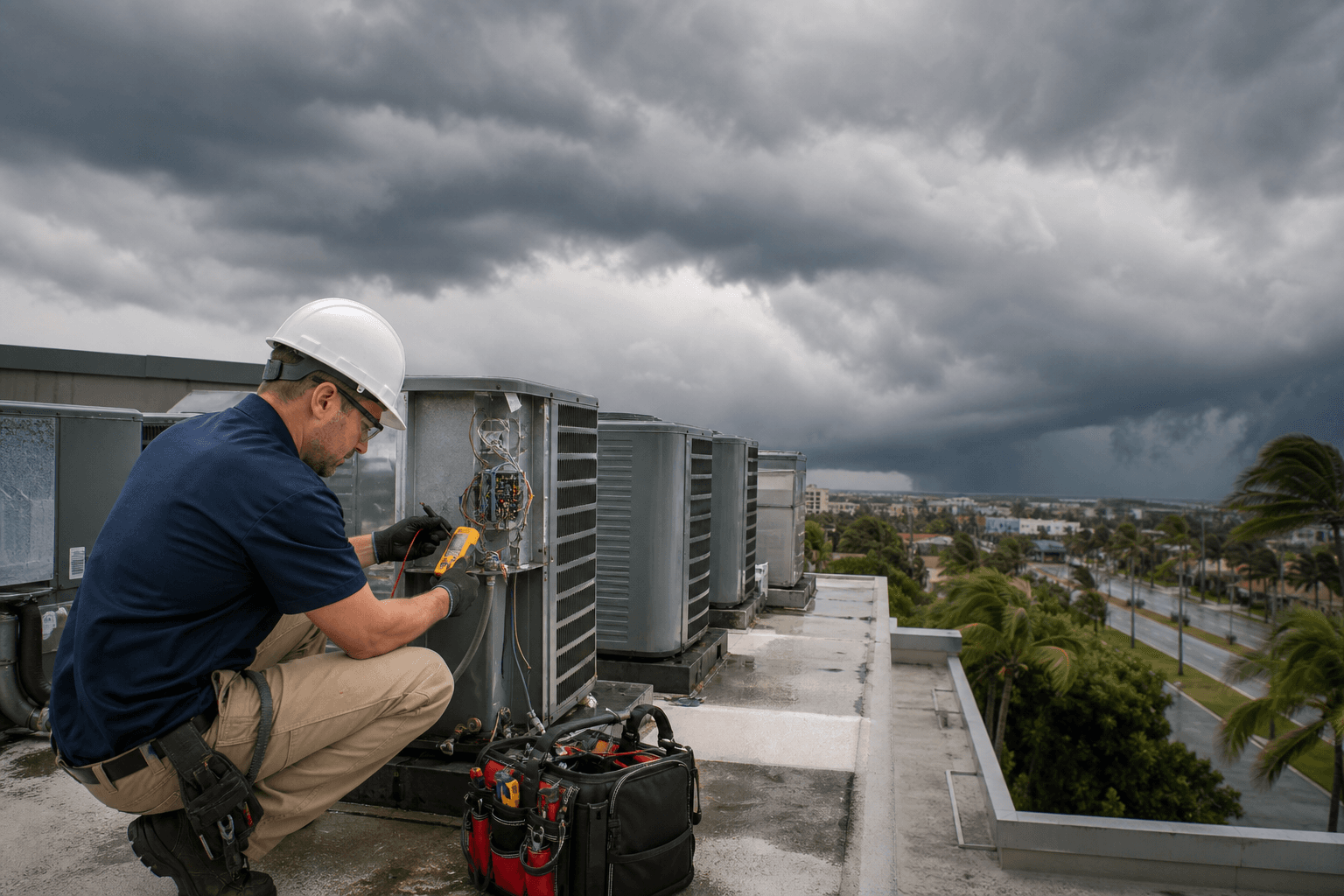

What are the 7 decision points for Milton emergency HVAC response?
If you searched for "milton emergency HVAC response" because a furnace, heat pump, air conditioner, or water heater has failed at an inconvenient time, this checklist helps you decide quickly and safely. Read the short safety steps first. Then use the seven numbered decision points to decide whether to call emergency service now, what to do before a technician arrives, and what to gather for a free, independent second opinion.
Safety first: immediate actions you should take now
Before troubleshooting, put people and pets first. If anyone is dizzy, short of breath, losing consciousness, or you can see smoke or flames, leave the building and call 911. Check your municipality’s emergency-preparedness guidance for support during extended outages.
Evacuate, call, and avoid ignition sources
- If you see smoke or fire, get everyone out and call 911 immediately.
- If you smell natural gas, evacuate without using light switches or phones inside the building, and call 911 and your gas utility from a safe location.
- If anyone has symptoms of carbon monoxide exposure such as headache, nausea, confusion, or fainting, evacuate and call 911 at once.
Industry triage checklists advise documenting conditions and avoiding DIY fixes that could make the problem worse. Below are safe, minimal actions you can take before professionals arrive.
What not to do
- Do not try to open or service gas valves, burners, or electrical panels if you are not qualified.
- Do not use candles for light during outages.
- Do not run a water-damaged furnace or appliance until a professional confirms it is safe.
1. Life-safety hazards: smoke, fire, or signs of carbon monoxide
Visible smoke, active flames, or symptoms consistent with carbon monoxide are immediate emergencies. Evacuate everyone, call 911, and do not re-enter until emergency services declare it safe. When it is safe to do so, note the time, the location of the smell or smoke, and who was affected. These facts help first responders and technicians diagnose root causes faster.
2. Suspected natural gas leak or strong gas odour
A persistent gas smell is an emergency even if the system appears to be running. Gas can accumulate silently and ignite. Evacuate, avoid powering on or off anything electrical, and call 911 and your gas utility from a safe location. Do not assume an HVAC-only repair can clear a gas hazard until the utility or emergency services have assessed the situation.
3. Major water leak or flooding near HVAC or electrical equipment

Water in contact with furnaces, boilers, electrical panels, or air handlers creates risk of shock and fire and can cause rapid property damage. If you can do so safely, shut off the water to the affected area and, if necessary, kill power to the unit at the breaker. Photograph the leak source, the affected equipment, and any labelled circuit breakers so technicians and insurers can assess damage efficiently.
4. No heat in extreme cold or when occupants are vulnerable
Loss of heat becomes an emergency when outdoor conditions, health, or occupant vulnerability make the home unsafe. Examples include prolonged sub-zero temperatures, infants, elderly residents, people with medical needs, or residents who rely on temperature-sensitive equipment. If household safety is at risk, treat the situation as an emergency and arrange immediate help. In less severe cases, use safe temporary measures and schedule same-day service.
Safe temporary measures include grouping occupants into one well-insulated room, using battery-powered or certified electric heaters per manufacturer instructions, and avoiding portable propane or open-flame heaters indoors. If you need an independent evaluation after an urgent recommendation, SO HVAC offers responsive emergency support across Ontario and a free, no-obligation second opinion to review replacement recommendations.
5. Electrical faults: burning smells, sparks, or repeated tripped breakers tied to HVAC
Burning plastic or ozone smells, visible sparks, or breakers that trip when the HVAC runs indicate an electrical fault that can quickly escalate to fire. Turn off the circuit to the appliance at the breaker if you can do so safely. Photograph scorch marks, the labelled breaker, and any visible wiring before calling an electrician and an HVAC professional. An electrician may need to inspect or isolate the electrical issue before HVAC repairs proceed.
6. Hazardous refrigerant leaks or continuous system damage

Hissing, chemical odours, freezing lines, or a compressor that seizes and causes loud banging can indicate refrigerant leaks or failing major components. These events risk further damage and can sometimes release chemical vapours indoors. If you detect a chemical odour or hissing, switch the system off and ventilate the area if safe. Document sounds and conditions, and call emergency HVAC service when the problem threatens equipment beyond a temporary repair. Stopping a failing system promptly can avoid a costlier replacement later.
7. High-pressure replacement quotes or unclear after-hours recommendations: pause and document
After-hours technicians sometimes recommend immediate replacement. That may be correct when safety or habitability are at stake. When there is no immediate life-safety risk, pause, document, and seek an independent review before committing to a major purchase. This protects you from unnecessary expense and helps you compare real options with confidence.
What to collect for a free second opinion
Gather these items before you call or submit photos for review. Clear documentation speeds remote triage and a follow-up visit.
- Photograph the equipment nameplate showing model and serial numbers, and any manufacturer stickers.
- Photograph any service stickers or last-service-date labels on the unit.
- If a technician produced a written quote, take a clear photo of the entire page or request a digital copy. Capture the exact wording of why replacement is recommended.
- Record any diagnostic error codes, thermostat messages, or visible lights on the control board.
- Note recent service history, warranty status, and the age of the equipment.
- Take short videos of unusual sounds such as banging, hissing, or grinding, and note when the problem started and any patterns.
SO HVAC offers a free, no-obligation second opinion and emphasises zero sales pressure. If you are in Milton and want an independent evaluation after an urgent recommendation, a free review can clarify what is required now and what is optional.
How to decide: call emergency service now or wait for a scheduled visit
Use the selection criteria below when deciding to call emergency help now. These criteria focus on safety risk, habitability, and risk to property.
- Immediate safety risk: smoke, fire, gas odour, carbon monoxide symptoms, or electrical arcing. Call 911 now.
- Uninhabitable conditions: prolonged no heat in extreme cold or major flooding that threatens people or essential systems. Treat as emergency.
- Rapidly worsening damage: active leaks soaking equipment or persistent refrigerant loss that will escalate if left running. Call emergency HVAC.
- Unclear after-hours replacement advice: if no safety risk exists, document and seek a second opinion before accepting a major replacement recommendation.
If you are unsure, prioritise evacuation and emergency services for safety items, then document and call a professional for triage. Photographing and describing the issue for remote triage before paying for an after-hours replacement is recommended when the house remains safe.
Frequently asked questions
Does SO HVAC provide 24/7 emergency HVAC support in Milton and how does the free second opinion fit into an emergency?
SO HVAC lists responsive 24/7 emergency support across Ontario and offers a free, no-obligation second opinion to clarify urgent recommendations. The second opinion is independent and has no sales pressure. For safety emergencies such as gas leaks or fire, call 911 first.
If I smell gas or carbon monoxide, should I call SO HVAC first or 911 and the gas utility?
Always call 911 and your gas utility first if you smell gas or suspect carbon monoxide. Evacuate immediately and do not use electrical switches inside the building. Once emergency services or the utility confirm it is safe, contact an HVAC professional for inspection and repair.
What exact photos and data should I collect so SO HVAC can evaluate my emergency remotely?
Photograph the equipment nameplate, model and serial numbers, any service labels, the full written quote or repair recommendation, control board lights or error codes, and any visible damage. Short videos of unusual sounds and clear notes about timing help remote triage.
How do I decide between calling an after-hours emergency technician and waiting for a scheduled visit?
Decide based on safety, vulnerability of occupants, and the speed of damage. If there is no life-safety risk and the house remains habitable, document the situation and consider a second opinion before agreeing to an expensive replacement. If you cannot safely wait, call emergency service.
Will asking for a second opinion delay necessary repairs if my home is unsafe?
No. If your home is unsafe due to fire, gas, water damage, or loss of critical heat, call emergency services first. Once safety is addressed, a second opinion can be arranged immediately to review replacement recommendations or next steps without delaying urgent life-safety repairs.
Key takeaway: use the seven decision points above to separate immediate life-safety hazards from high-pressure after-hours advice. When in doubt about safety, evacuate and call 911. When the situation is urgent but not life-threatening, document clearly and call emergency HVAC or request an independent second opinion to confirm the right course.
Need a free second opinion or emergency HVAC help in Milton? Visit SO HVAC or call (905) 226-6267 to get independent advice now?